Community Feature
Leading Through Disruption
In 2025, a wave of executive orders and federal actions led to a federal funding freeze, disruption of critical services for children and families, threats to supporting diversity, equity, and inclusion efforts, scrutiny of charitable tax status, and calls for investigations into select nonprofits and foundations. Our communities and our nonprofit partners faced unprecedented challenges in the wake of the rapidly changing policy landscape. Throughout Michigan, CMF members leveraged their communications strategies, partnerships, and relationships with policymakers to elevate these issues and the implications for Michigan children and families.
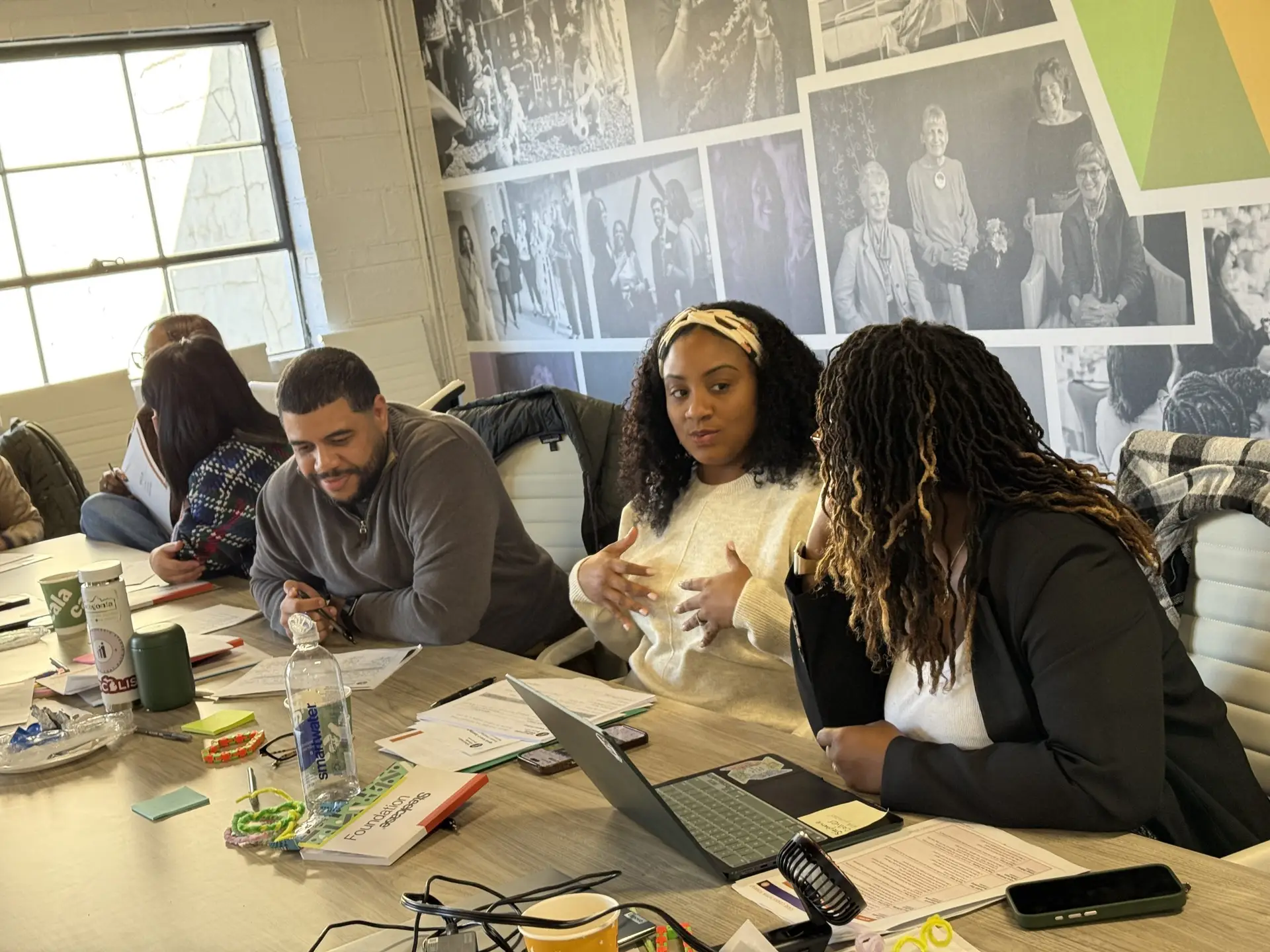
Amid a flurry of executive orders and uncertainty about the future of the Department of Education, the Steelcase Foundation compiled an Education Landscape Directory and chart detailing the impacts of executive orders at both the national and local levels, recognizing that they would have direct implications for many of its partners and those they serve. The foundation also shared a series of partner stories, highlighting how executive orders could impact the operation of those nonprofits and the well-being of the communities they serve.
“As executive orders and funding freezes reshaped the landscape, we worked to track their impacts, share accessible information, and amplify partner stories. These efforts were grounded in a recognition that uncertainty carries real weight on the organizational leaders, staff, and families who must constantly adapt, problem‑solve, and even invent new ways to do their work. That cognitive load contributes to burnout and stress; we believe part of our role in this moment is to attempt to make the complexity more understandable while centering and lifting up what people and communities are feeling,” Daniel Williams, president and CEO of Steelcase Foundation and CMF trustee, said.
The Skillman Foundation took several new approaches to elevate public education as a priority issue and to push back against the politicization of this essential public service.
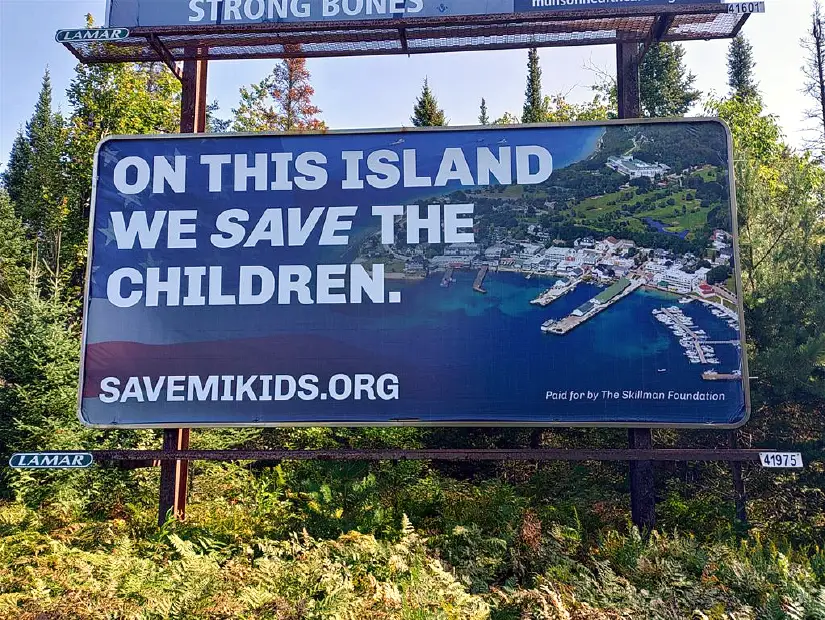
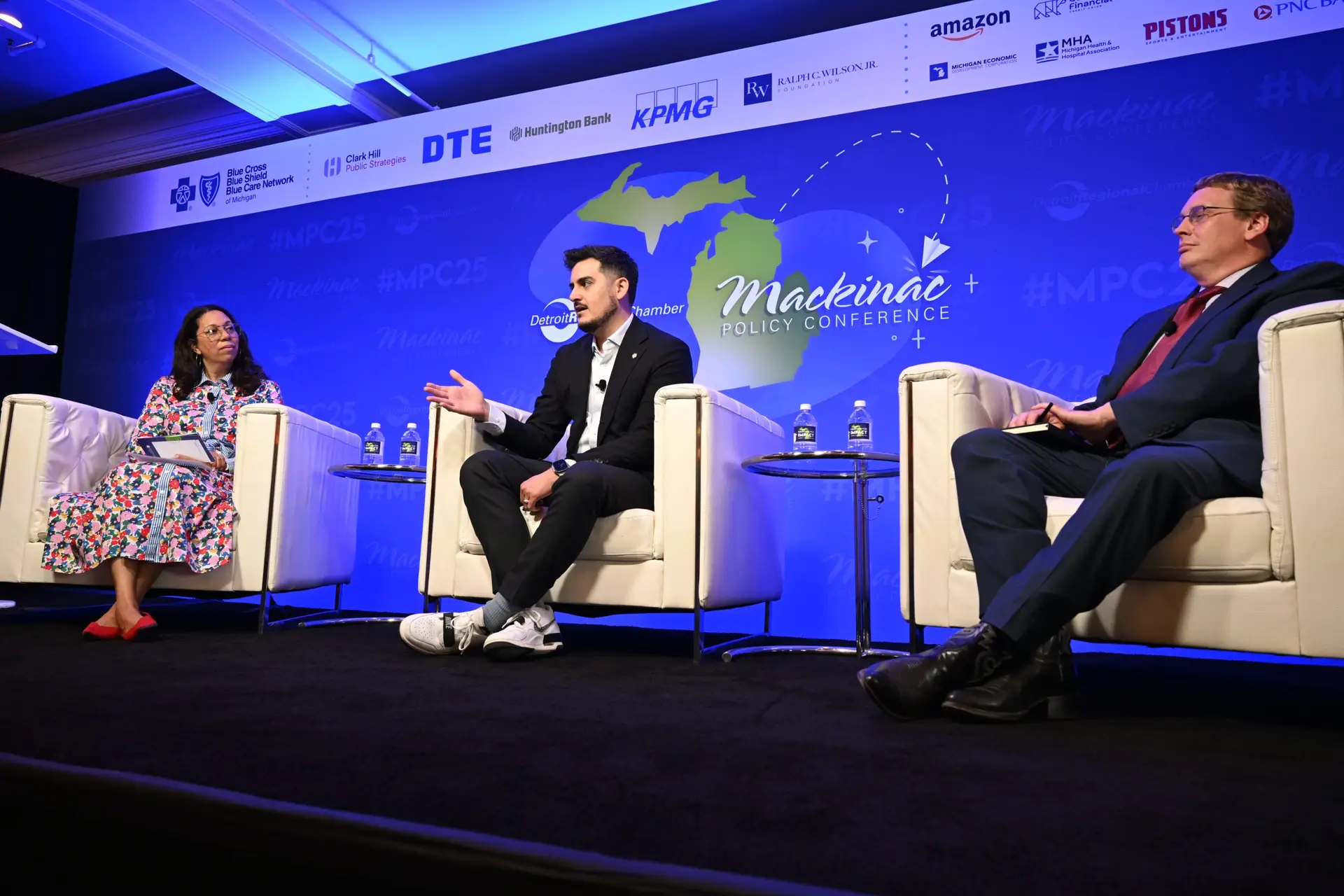
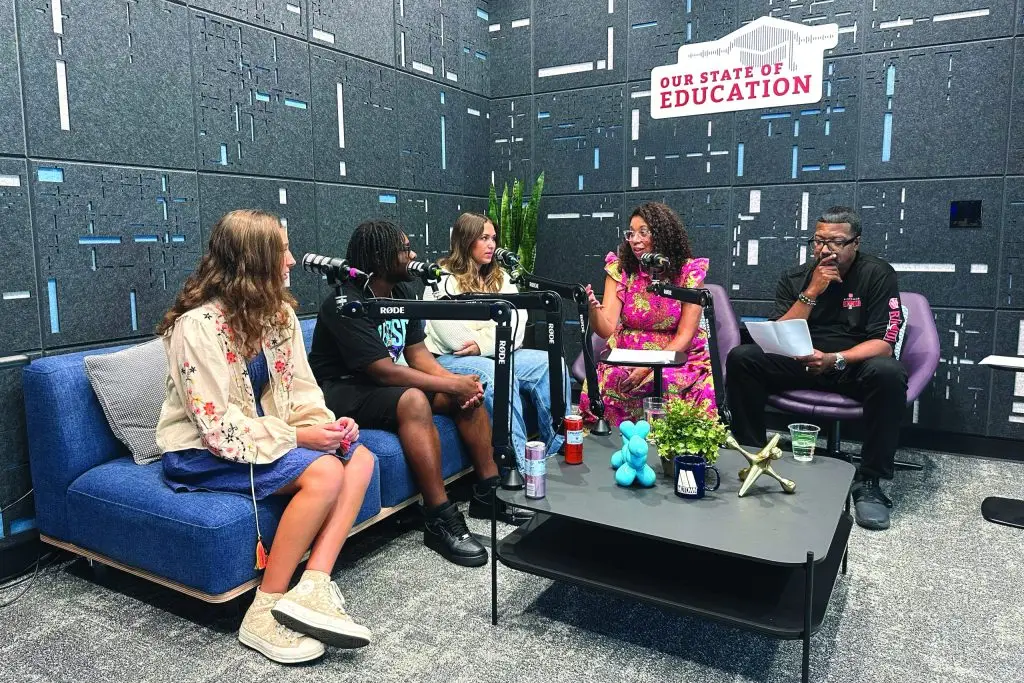
When Michigan policymakers gathered on Mackinac Island for a policy conference, The Skillman Foundation launched billboards, a Detroit News op-ed, and targeted ads on the island to promote the wide-ranging benefits that public education brings to society. The foundation also launched a monthly WJR radio show and podcast, Our State of Education, featuring students, parents, policymakers, and more, hashing out the most pressing needs and promising solutions in schools. The show brings people with different points of view together to share their perspectives and find common ground.
“The Skillman Foundation partners with people to transform public education in Michigan. It takes collective wisdom and collective work,” said Natalie Fotias, Skillman Foundation Vice President, Communications.
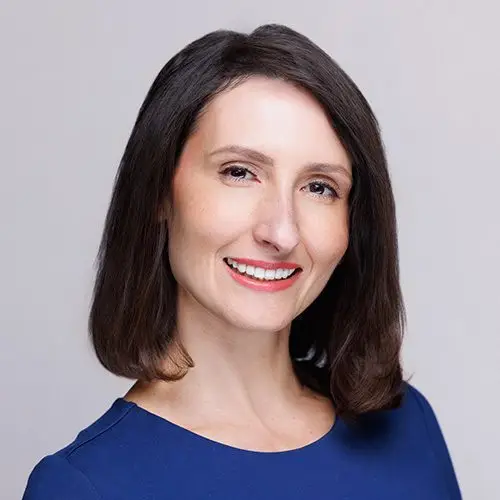
“As a nonpartisan foundation working at the intersection of community and government, one of the best contributions we can make is to help to unite people around shared goals and actions. Communication strategies can be a powerful way to do this.”- Natalie Fotias, Vice President, Communications at The Skillman Foundation
The Grand Traverse Regional Community Foundation (GTRCF) and Rotary Charities of Traverse City, and their local partners, shared an open letter to Northern Michigan policymakers outlining the impact proposed congressional spending cuts and executive orders could have on the communities they serve. In early 2025, the community foundation, the Oleson Foundation and Rotary Charities of Traverse City began convening to assess the regional scope of federal funding disruptions and identify how we might align in supporting nonprofits through this period of uncertainty.
Through survey data, nonprofit convenings, and funder dialogues, the collaborative explored how it could support shaping coordinated strategies for regional resilience.
“While we know that philanthropy and funders can’t match or replace the scale of federal funding that has benefited our region, we can work together to implement unique, proactive, and responsive ways to be supportive,” Alison Metiva, GTRCF’s president and CEO, said.
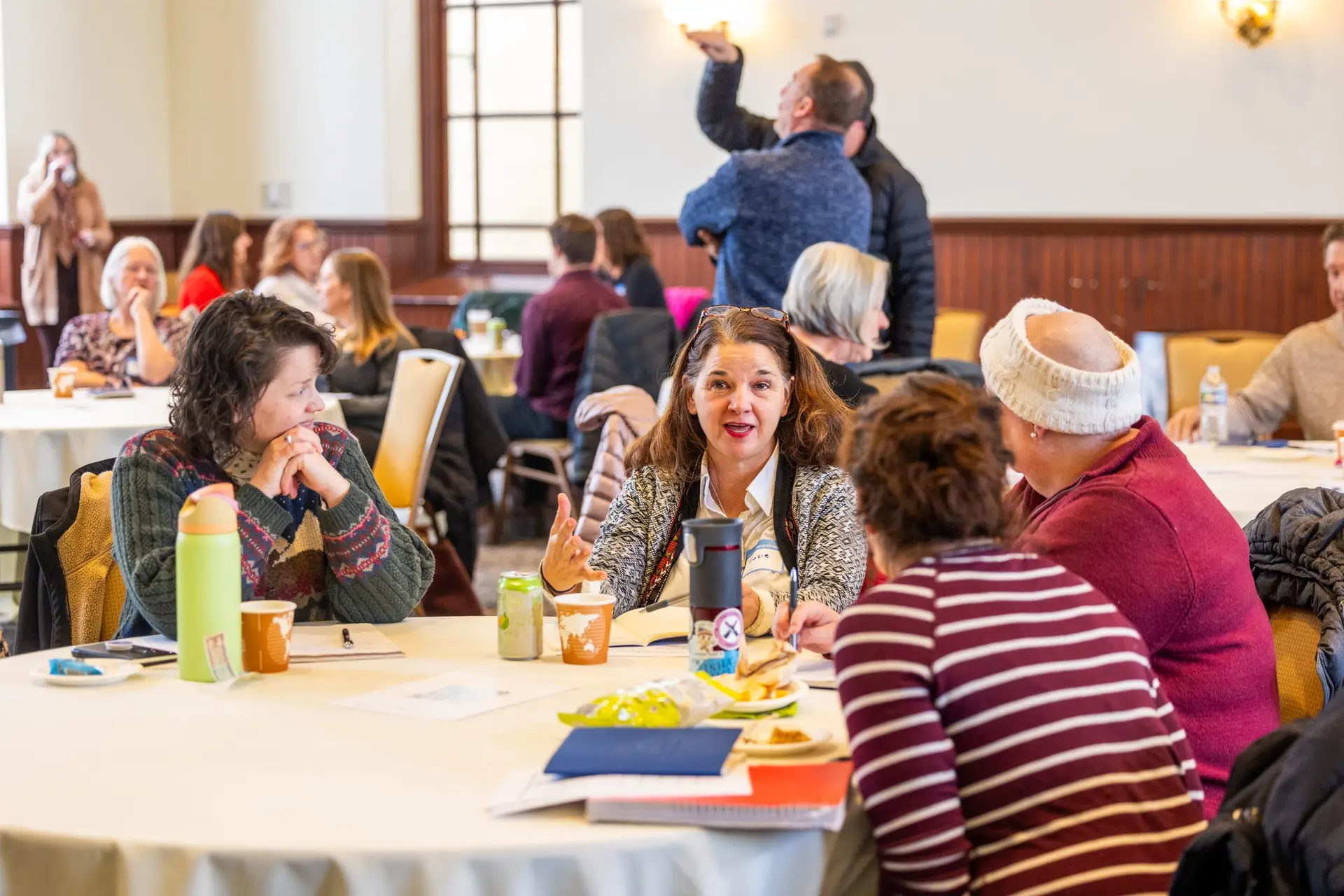
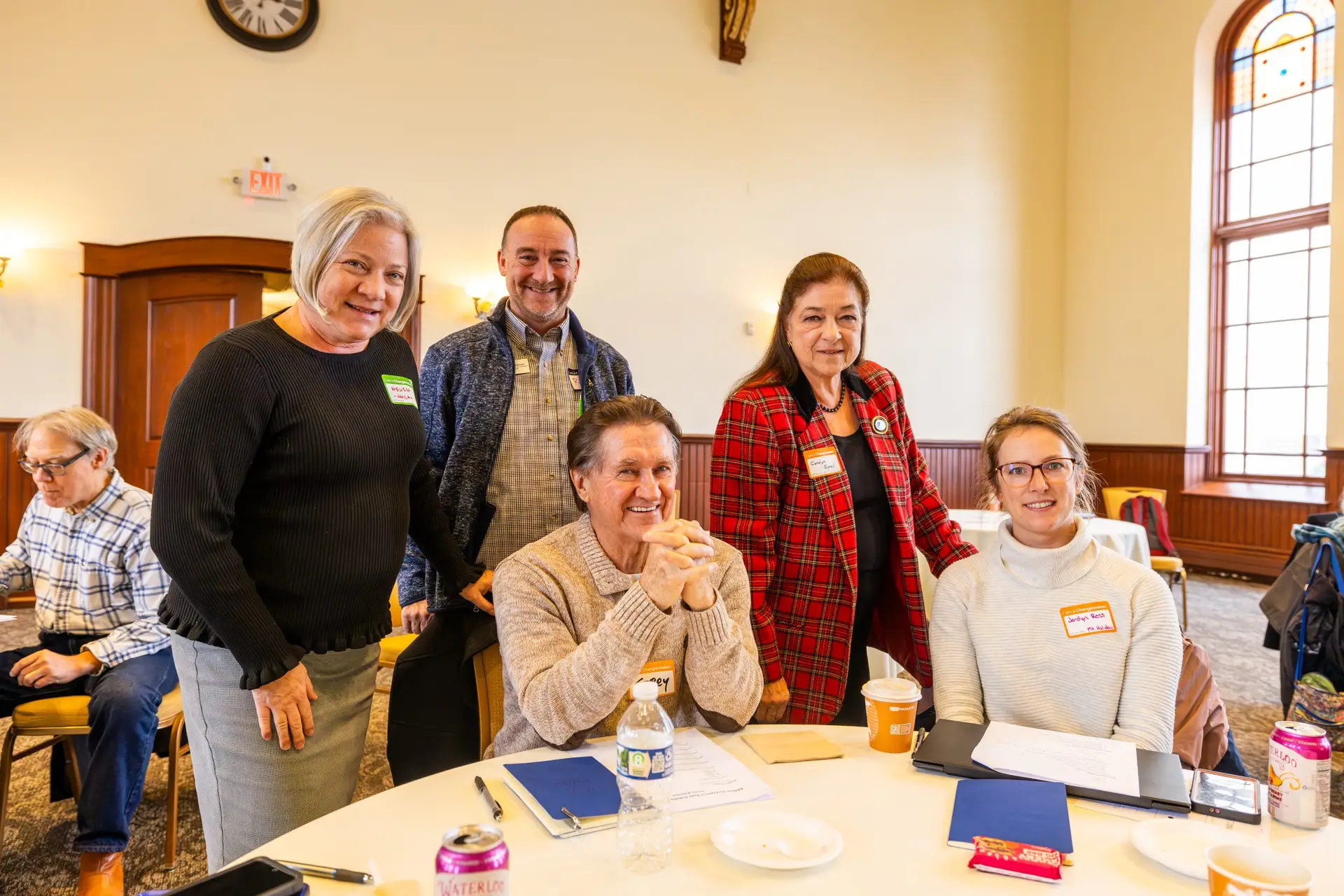
GTRCF and the Oleson Foundation helped support Rotary Charities’ fall workshop series focused on skill-building for uncertain times. The sessions provided nonprofit partners with insights into scenario planning, internal change management, and adapting funding and communication strategies.
“We know that more challenges are ahead for nonprofits and the communities they serve,” Sakura Takano, CEO of Rotary Charities and CMF trustee said. “As funders, that means working together and stewarding our collective resources into support that is timely, practical, and responsive to what organizations are experiencing now.”
Last spring, Ashley Berken, executive director of the M&M Area Community Foundation, shared a letter to the community on the impacts of the termination of AmeriCorps funding.
“The nonprofits in our region are facing a perfect storm. Federal and state funding cuts and claw backs have slashed budgets. The disruption of programs like AmeriCorps stripped organizations of vital staff they depended on,” Berken shared. “The broader attack on DEI initiatives has created a chilling effect on the very work that makes our communities more equitable and inclusive. For organizations that were already running lean in a rural region like ours, the cumulative weight of all of this is enormous — and many are struggling to keep up.”
Berken said the M&M Area Community Foundation’s response has been to lead with collaboration — “real, in-the-room, roll-up-your-sleeves collaboration,” partnering with foundations and other regional partners on cross-system initiatives. This included a Sequential Intercept Model Mapping Workshop to strengthen how the justice and behavioral health systems serve people in crisis, and a Community Health Needs Assessment that’s shaping how they invest in the region’s well-being.
“These aren’t projects any one foundation could have done alone, and that’s exactly the point. As funders, we have to be willing to walk the walk we expect of our nonprofits. That means breaking down silos — not just between the agencies we serve, but between foundations ourselves. It means finding innovative ways to fulfill our missions that rely less on federal dollars and more on each other. And it means showing our nonprofit partners, through action, that they are not alone in this,” Berken said.
Through all of these shifts, there’s been growing pressure and scrutiny on philanthropy, particularly its support for diversity, equity and inclusion efforts. This led to a national movement to highlight that foundations and donors have the right to give to and invest in issues aligned with their values and missions, as guaranteed by the First Amendment’s protections of free speech and assembly.
The Joyce Foundation joined “Unite In Advance,” a coalition of more than 700 funders and sector partners, to defend the freedom to give and invest in its communities, and to make clear that charitable giving is an American value. Joyce Foundation’s President and CEO Julie Morita is featured in an initiative video explaining why the foundation is passionate about this work.
A coalition of philanthropic institutions, in partnership with the Council on Foundations, launched a sign-on statement encouraging all charitable giving organizations to join us in this effort to protect our freedom to express ourselves, to give, and to invest in our communities. CMF and more than 20 of our members signed on to the statement.
These are a few examples from across Michigan of how philanthropy has and continues to meet the moment, leading through disruption, advocating for nonprofit partners and our communities in powerful and meaningful ways, in hopes of ensuring the stability of services for all in Michigan.