
Community Feature
Bringing the Vision of Rural Communities to Life Through Listening & Trust Building
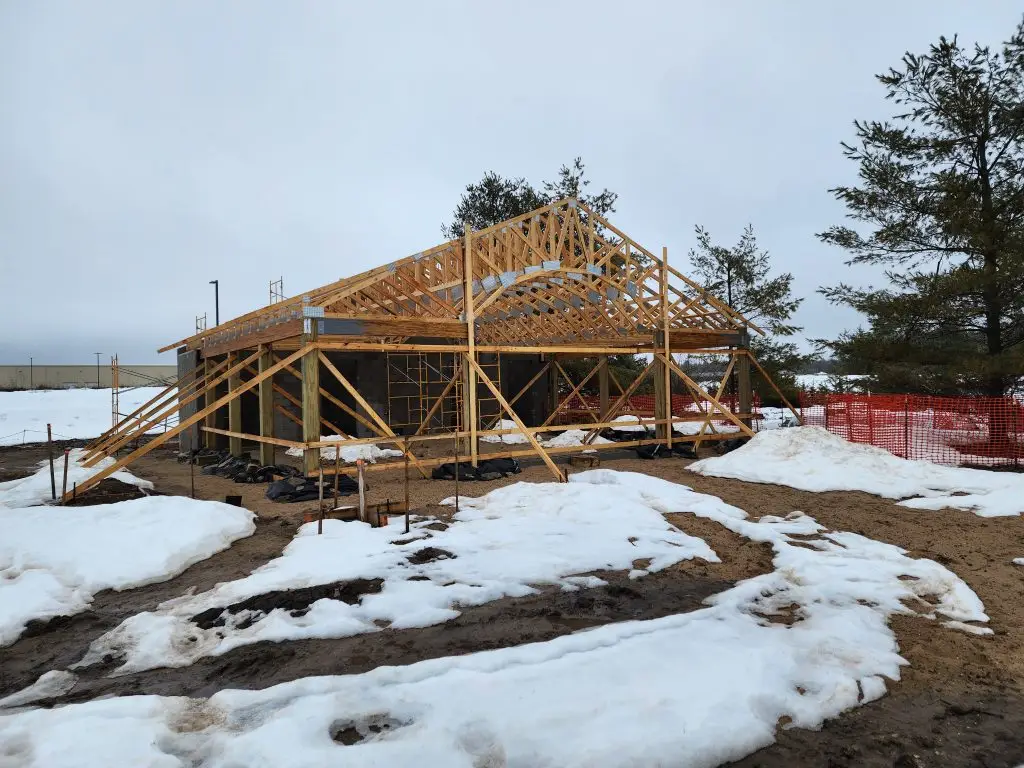
The Community Foundation for Northeast Michigan (CFNEM) is walking alongside the City of Onaway to develop a trailhead project in Onaway through the CMF/Michigan Department of Natural Resources (DNR) Spark Grant Program Partnership.
“Our role has been to support, not steer. The momentum for this work came from the City of Onaway and the City of Grayling, and our focus has been on listening closely, helping to convene partners, and providing support where it could make a difference,” Patrick Heraghty, executive director of CFNEM and CMF trustee, said.
The City of Onaway is one of 29 designated opportunity communities that received grants through the $27.5 million program in the summer of 2024.
Administered by CMF in partnership with the Michigan DNR, and facilitated by the Governor’s Office of Foundation Liaison and through CMF’s Statewide Equity Fund, the program was established in 2024 to equitably guide American Rescue Plan Act (ARPA) funds to communities and expand access to healthy indoor and outdoor recreation projects where there has been little or no previous parks and recreation investment.
The partnership sub-granted $27.5 million to 29 designated opportunity communities around the state that have been historically under-resourced and lacked outdoor recreation spaces.
More than 15 community foundations serve as conveners, collaborating with their communities that are receiving Spark funding, ensuring community voice is centered in the projects. CFNEM is one of those community foundations.
The new trailhead in Onaway will feature a pavilion with a shelter where a local farmers market will be held, family restrooms, picnic tables, bike loops, a bike repair station, water fountain, and an expanded parking area.
“This will be a place for anyone to come for fresh produce and to meet people. Since the construction has started on the trailhead, residents are excited and are asking when it will be open for use,” Kelli Stockwell, Onaway city manager, said.
One added layer of support for CFNEM and this project, Heraghty shared, was partnering with CMF to create a temporary pool of resources.
“Because the final 10 percent of the Spark grant is released upon project completion, this pool is intended to ensure that our two opportunity communities have access to working capital if needed to carry projects across the finish line and complete their community-informed recreational projects by September 2026,” Heraghty said.
Heraghty shared that this project has helped the community foundation build stronger relationships in Onaway and learn alongside them as the project moves forward.
“The City of Onaway has led this work, full stop. Our foundation’s role has been to walk alongside the city, listen closely, and help translate ideas into action when needed. That partnership has allowed us to build trust, better understand local priorities, and support a project that truly reflects community voice, from early conversations through implementation,” Heraghty said.
The catalyst for supporting the DNR Spark Program, Heraghty shared, was recognizing that small rural communities often have the vision but not the capacity or capital to move projects forward.
“Supporting Spark aligns with our belief that equity includes access to opportunity, investment, and momentum, and that community size or zip code should not limit a community’s ability to bring its ideas to life,” Heraghty said.
In rural communities, relationship building is everything. Heraghty shared that projects like this only work when there is trust, patience and shared ownership.
“By showing up consistently and listening first, we have strengthened our relationships with local government and residents alike. That trust carries forward into future work and future partnerships,” Heraghty said.
CFNEM sees this project as community building and economic development working together by activating underused assets and creating welcoming spaces.
“These efforts draw people into community life, support local vitality, and reinforce pride in place. In rural communities, that kind of visible momentum signals possibility and supports long-term economic health,” Heraghty said.
Working alongside community and local government reinforced the importance of flexibility and humility for CFNEM.
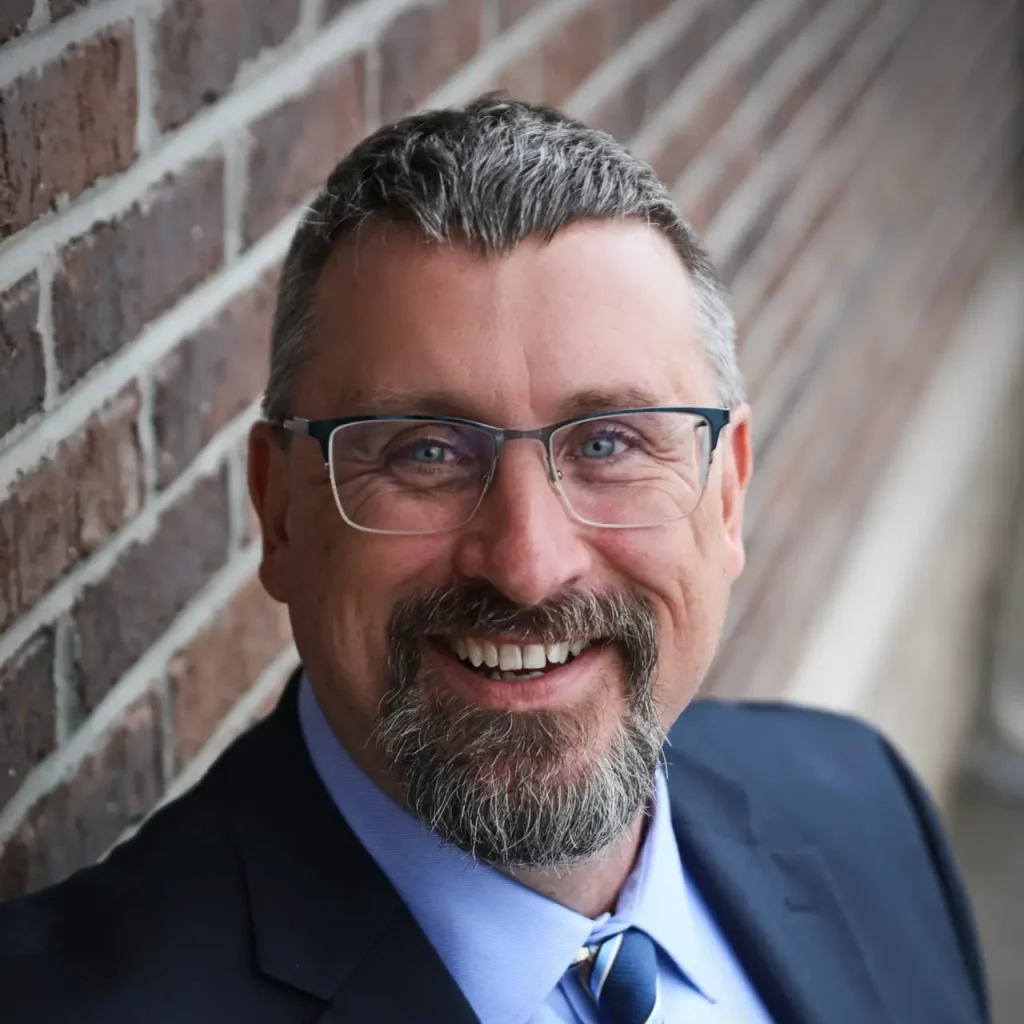
“We have learned to slow down, let community voice lead, and be comfortable playing a supporting role. Our partnerships now prioritize deeper listening from the outset and place greater emphasis on shared decision-making throughout the life of a project.”
— Patrick Heraghty, Executive Director, CFNEM, CMF Trustee
According to Heraghty, CMF’s partnership with the DNR created the conditions for these projects across Michigan to finally happen.
“The learning opportunities, peer connections, and steady check-ins made a real difference. I am especially grateful for the support and responsiveness of Mike Goorhouse, founder and lead consultant at Inspiring Impact, LLC, who is contracted by CMF, and Nancy Winzer, deputy city manager and director of Parks and Recreation for the City of Port Huron, whose guidance and encouragement helped keep this work moving in a productive way,” Heraghty said.
“Living and working in Northeast Michigan, it feels like we are often left out and forgotten. We are a small community with two full time staff in the office and we’d like to do more projects, but our time is spread very thin. With the support of Patrick, Mike and Nancy helping us and listening, it makes me feel like we are heard and projects like this are possible,” Stockwell said.
Heraghty shared that CFNEM hopes to build on this work in northeast Michigan and will continue to use this project as a model for relationship building.
“We are genuinely excited to be part of the energy happening all over the state. These projects show what is possible when philanthropy, local government and community voice align,” Heraghty said.
The trailhead, expected to be completed by the fall of 2026, will connect the City of Onaway to other small communities in the area, increasing bicycle and pedestrian traffic on the trail.
“Most importantly, this project reminds us that rural economic development does not have to be abstract. It can be visible, tangible and deeply rooted in place, and shared across communities,” Heraghty said.
Want more?
View the full list of communities participating in the CMF/DNR Spark Grant Program.